How to Optimize Your Website for AI Agents: Lessons from Sitecore Symposium 2026
A new user has joined the chat, and it’s an AI agent. Key takeaways from the Scrunch keynote at Symposium 2026, plus five moves to get your Sitecore site agent-ready.
Theresa Gutierrez
Senior Brand and Marketing Strategist, 3x Sitecore Strategy MVP
Senior Brand and Marketing Strategist
3x Sitecore Strategy MVP
Theresa is the creative force behind Fishtank’s boldest moves. She's a high-energy marketing strategist with 10+ years of turning big ideas into unforgettable moments.
Your next website visitor is an AI agent
Every Sitecore site now has a visitor that skips the hero banner, ignores the carousel and has no interest in your form layout. It reads your pages on someone else’s behalf, weighs you against your competitors and, more and more often, completes the purchase or builds the shortlist itself. A new user has joined the chat, and that user is an AI agent.
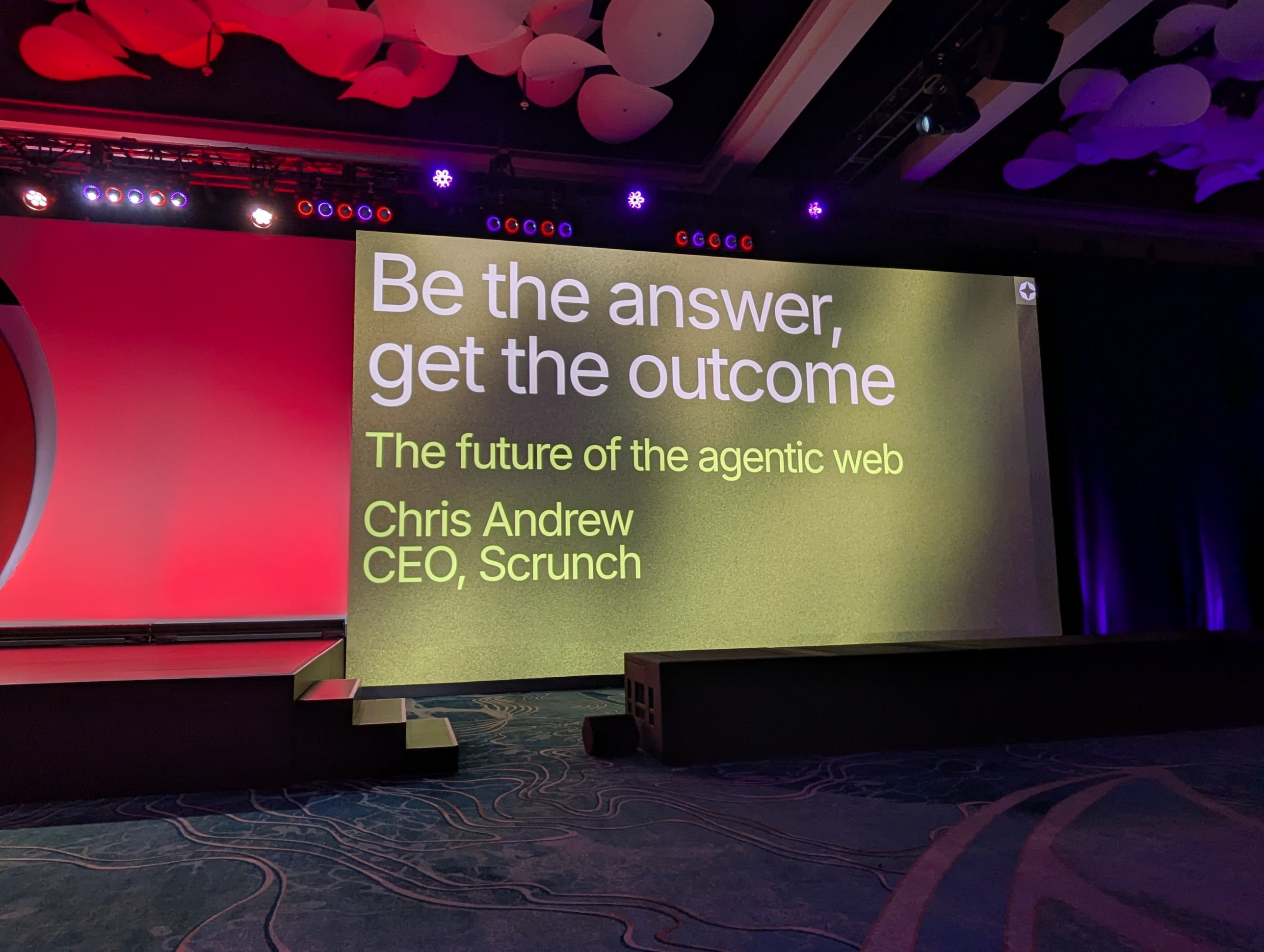
That idea ran through one of the standout sessions at Sitecore Symposium 2026 in Orlando. Chris Andrew, CEO of Scrunch, took the mainstage with “Be the answer, get the outcome: The future of the agentic web,” and followed it with breakouts on how Scrunch now works inside SitecoreAI.
Here is what Fishtank took away from it, what it means for teams running Sitecore today, and how we help customers build sites that serve people and agents at the same time.
TL;DR
AI agents are now a core audience for your website. At Sitecore Symposium 2026, Scrunch CEO Chris Andrew showed agents finding, comparing and buying on his behalf, often without him ever visiting a site.
Most websites still get in their way. Agents waste time on CAPTCHAs and logins, miss businesses that never published key details, and get blocked by overly broad bot rules.
The data backs it up. 41% of AI sessions never leave the conversation, 70 to 80% of AI citations come from third-party sites, and 17% of Fortune 500 companies have impostor sites that AI is citing.
Sitecore customers have a head start. Scrunch now works inside SitecoreAI to observe, optimize and deliver for agents, and every SitecoreAI customer gets a limited version free for 12 months.
Fishtank helps you act on it. FishtankOS turns agent visibility signals into approved, finished work, and this post closes with five moves to make your site agent-ready this quarter.
The agent did its best
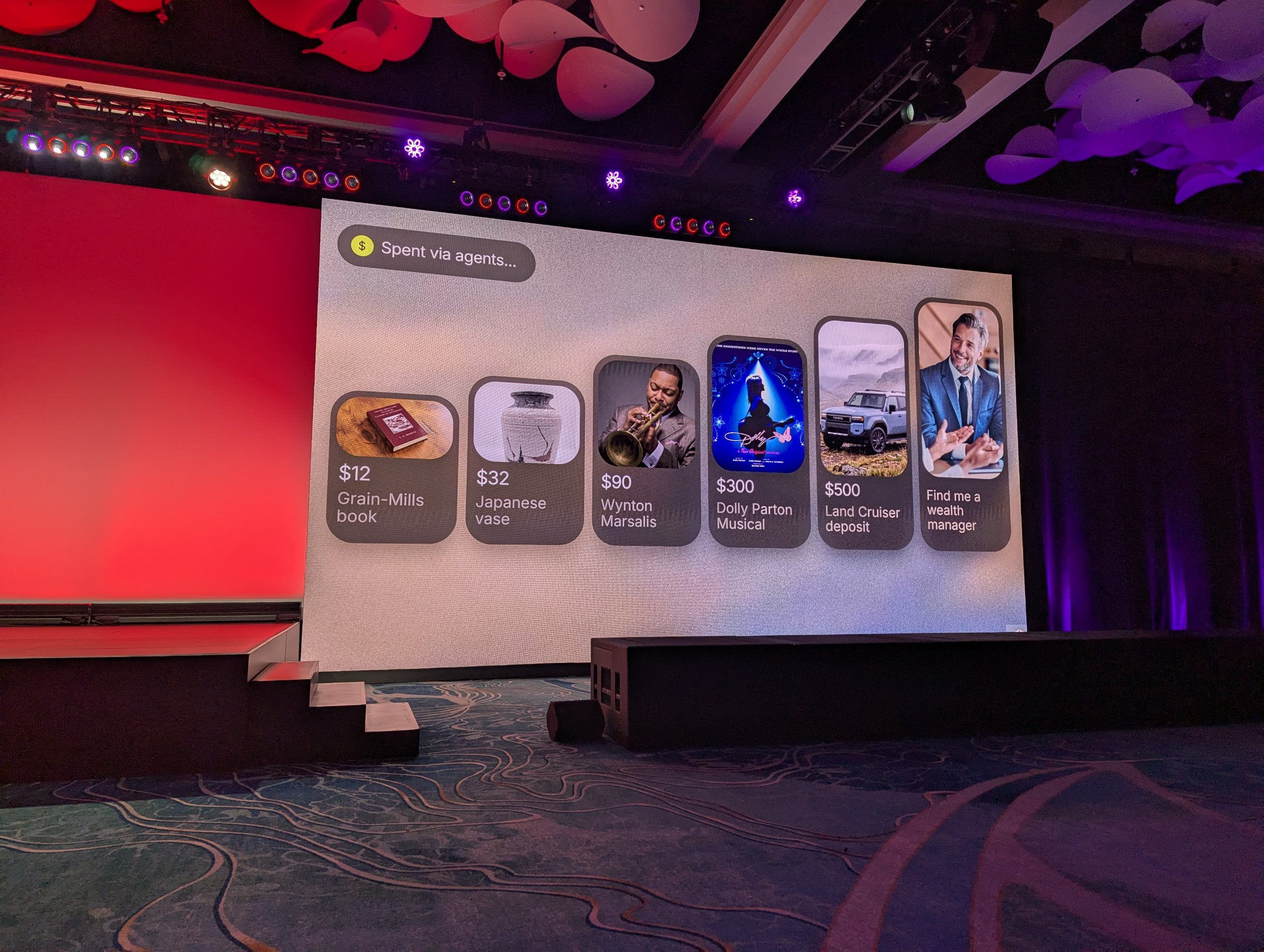
Chris opened with a personal story. A longtime sourdough and pizza obsessive, he went hunting for an out-of-print book, Grain Mills and Flour in Classical Antiquity. He handed the job to Muse, Meta’s AI agent, and watched it work.
In about five minutes, Muse found several surviving copies, picked a $12.99 one and asked him for a shipping address. It paid with a card already linked through Stripe from an Instagram purchase years earlier. The book arrived a week later, and Chris never visited a website.
So he kept going. Muse bought him a $32 Japanese vase and $90 tickets to hear Wynton Marsalis, an idea it surfaced after finding his jazz blog. Then came $300 in Dolly Parton musical tickets and a $500 deposit on a Toyota Land Cruiser, picked because the agent knew he spends time in the mountains and has no patience for car maintenance. In his words, he expressed intent and the agent delivered an outcome.
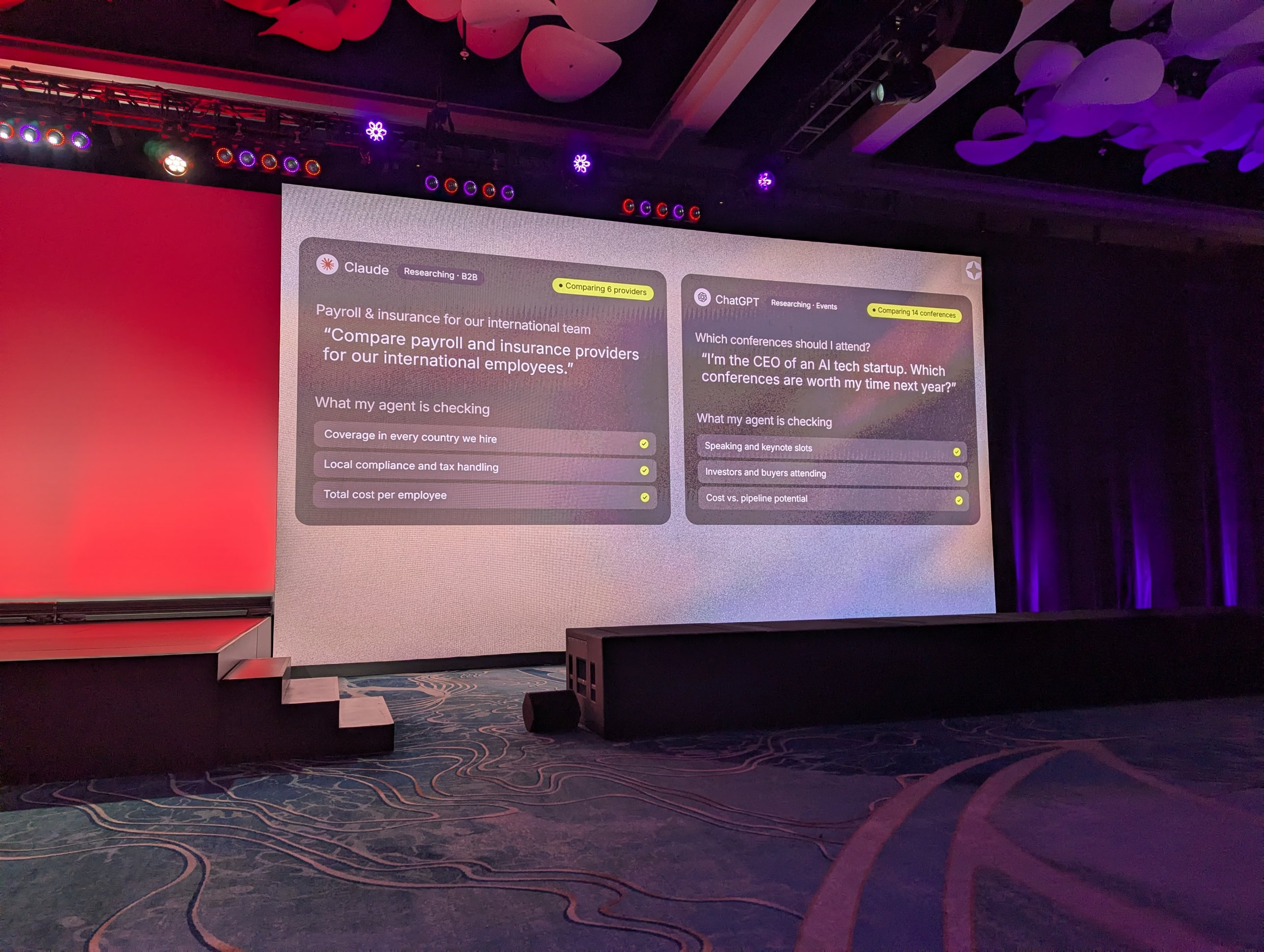
The same pattern is already running in B2B. Chris showed Claude comparing payroll and insurance providers for an international team, and ChatGPT ranking which conferences a startup CEO should attend. In each case the agent checked the buyer’s criteria on its own: coverage by country, compliance, cost per employee, speaking slots, who else attends. Your buyers are doing this in your category right now.
Agents also carry a lot of context into these tasks. Chris described it as a personal DAM that every person is quietly building: interests, purchase history, family, business priorities. Models use those breadcrumbs to fill in intent the person never fully spells out.
Where the web let it down
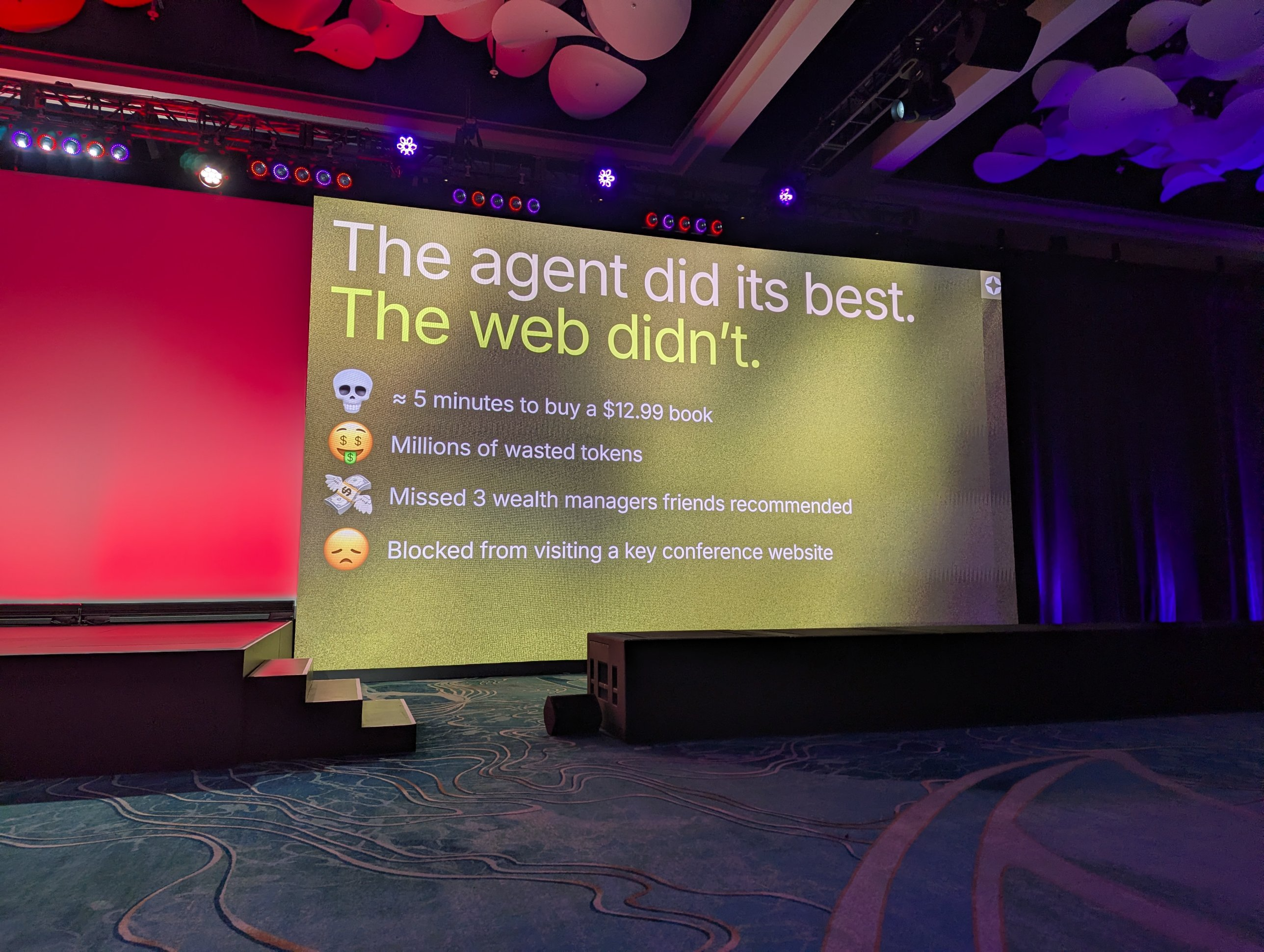
Then came the slide that stuck with the room: “The agent did its best. The web didn’t.” Each success story had a cost hiding behind it.
Five minutes for a $12.99 book. The agent clicked through eBay, attempted logins and fought CAPTCHAs built to prove it was human.
Millions of wasted tokens. Browsing is slow by design, and every extra click is compute spent working around a site.
Three wealth managers missing. The advisors Chris’s friends recommended never made the agent’s list. Those firms had never published the details that made them a fit, like their experience with entrepreneurs, anywhere an agent could find them.
Blocked from a key conference. The organizer, a media company protecting licensed content, blocked AI crawlers across every URL. That included the event and podcast pages that would have put it on his shortlist. A handful of allowlisted pages would have solved it.
Chris’s explanation for why this keeps happening was blunt: the web was built for Googlebot. Twenty years of incentives taught us to shape sites around one crawler. Agents read, compare and act differently, and most sites have yet to adjust.
The numbers behind the shift
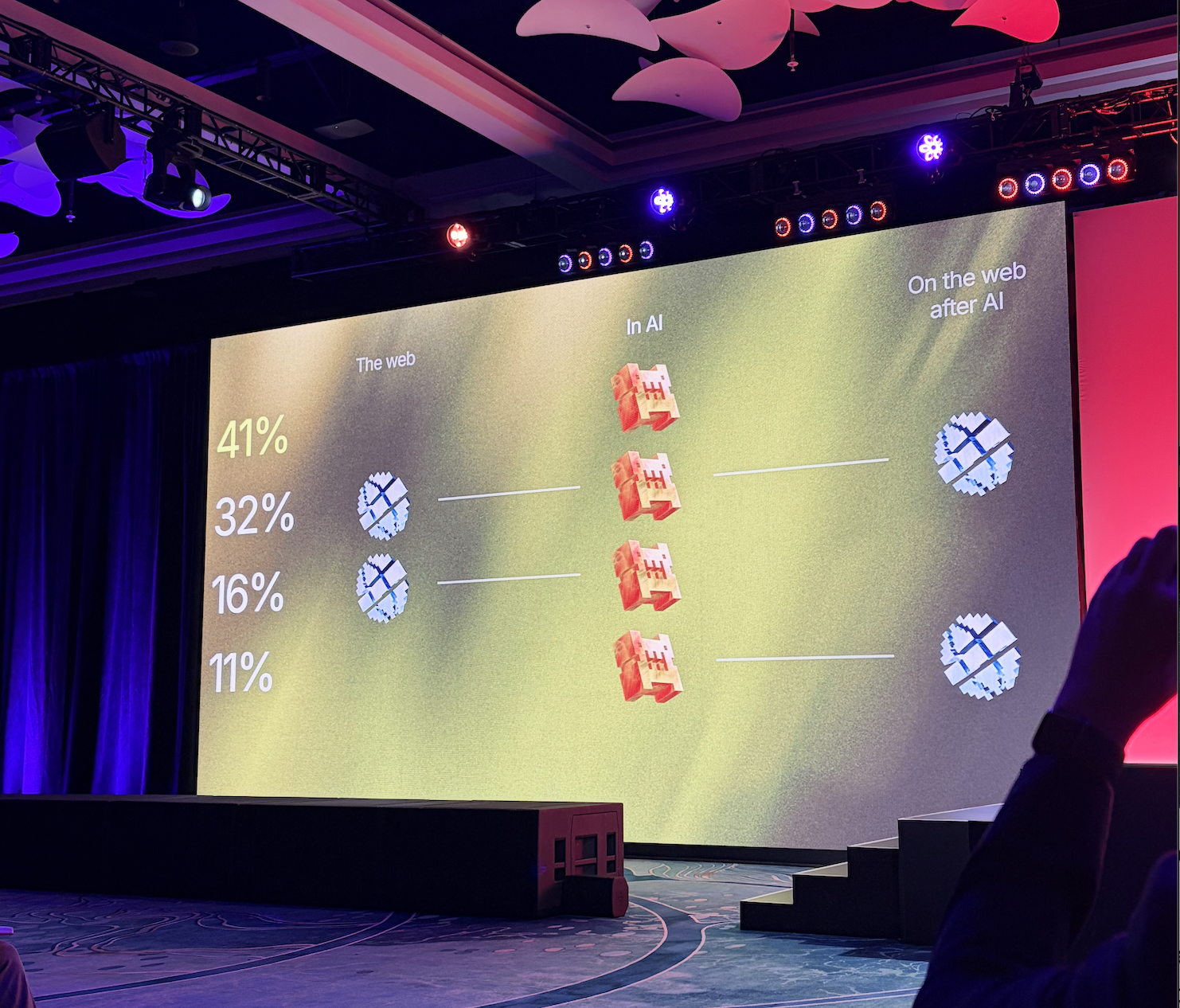
Scrunch’s new study of millions of real consumer prompts found that 41% of AI sessions never leave the conversation. The rest move between AI and the web in a few predictable shapes.
Journey
Share of AI sessions
Starts and finishes inside AI
41%
Web, then AI to validate, then back to the web to buy
32%
Web, then AI to finish the task
16%
AI, then the web to finish the task
11%
That means a website still plays a part in 59% of journeys, often as the place the deal closes. Chris was clear on this point: the website has never mattered more. It now has to serve two audiences at once.
Two more figures should be on every marketing leader’s radar. First, 70 to 80% of the content AI uses to vet an answer comes from third-party sites, so your own domain is only part of the story. Second, 17% of Fortune 500 companies have impostor sites that AI models are actively citing. Some are near-perfect mirrors that capture lead forms or login credentials, and the models link to them as if they were the real brand.
What this means for Sitecore customers
The clearest advice from Symposium was simple: let agents in, and give them something worth reading. If security is the worry, such as exposing JavaScript or widening your attack surface, serve agents a lean, text-only version of the page. Chris shared examples of companies that used to block unknown bots and now route them to that agent version instead.
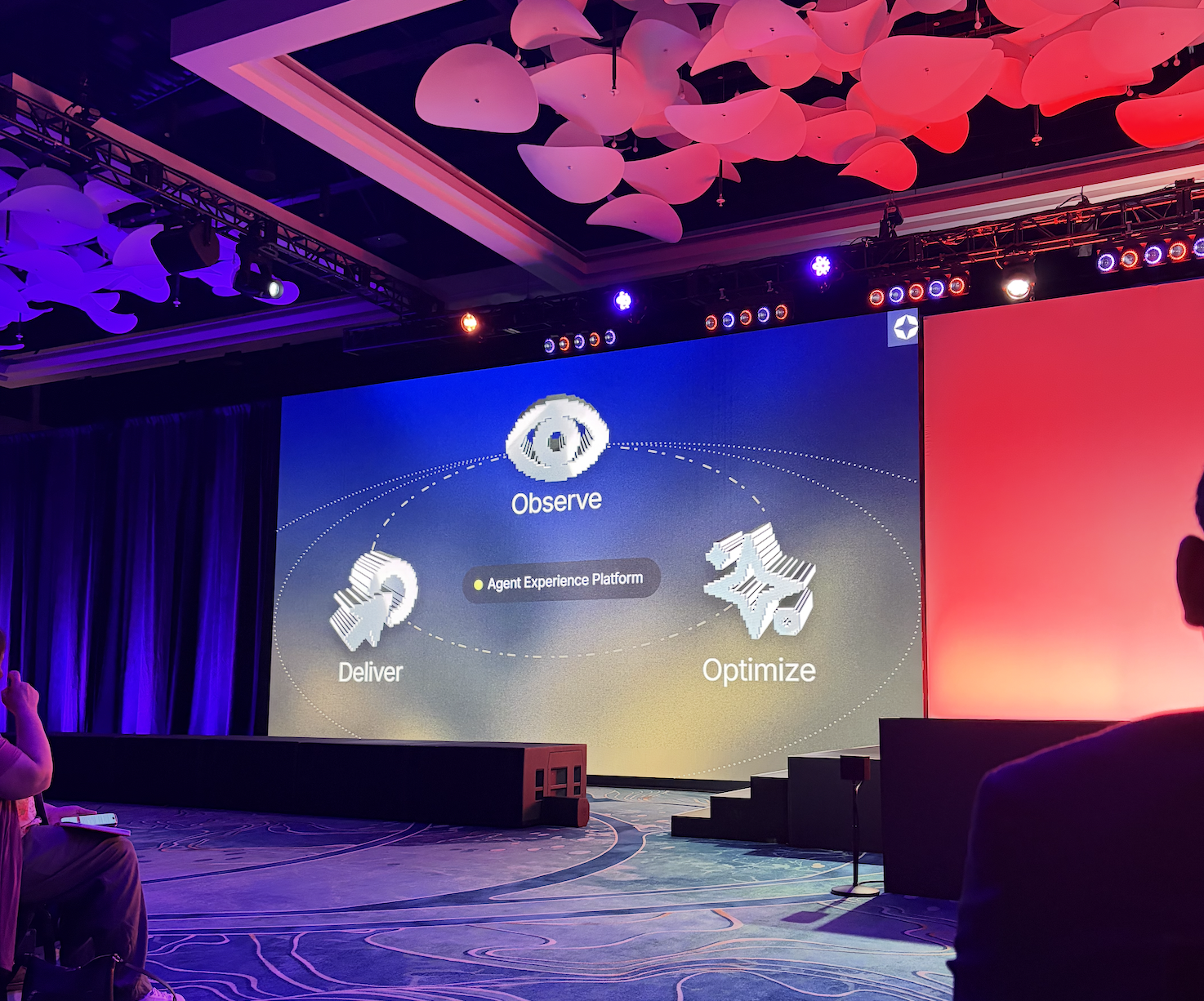
Scrunch organizes the work into an agent experience platform with three moves, now connected to the CMS, DAM and Marketing IQ inside SitecoreAI.
Observe. Track how AI answers describe your brand, which third-party sources they trust and where impostor domains are borrowing your name. Scrunch announced citation optimization, with partners Noble and Stacker for off-site presence and syndication, plus impostor detection with takedown support.
Optimize. Find pages agents struggle to read, pages that contradict each other and gaps in what models understand about you. Scrunch’s site optimization includes a contradiction agent, and its content generation draws on a brand knowledge studio tied to the DAM and CMS. Update a rate or a policy once, and the fix carries across the site.
Deliver. Give verified agents a structured, lightweight version of each page while people keep the rich visual experience. Emerging standards like WebMCP go a step further and expose actions that only agents can use.
There is also a low-risk way to start. Every SitecoreAI customer gets a limited version of Scrunch free for 12 months inside the platform. The allowance covers a small set of tracked prompts and a monthly request cap, so choose your prompts with care and start with the questions your buyers actually ask.
The Fishtank view: from signals to finished work
In our AI Across Your DXP webinar with CMSWire, we argued that the most telling question for any platform has shifted. It used to be how well a human could use it. Now it is whether every capability is available by API, so AI can connect and act. Chris’s keynote takes that same question to your website: how well can an agent use it?
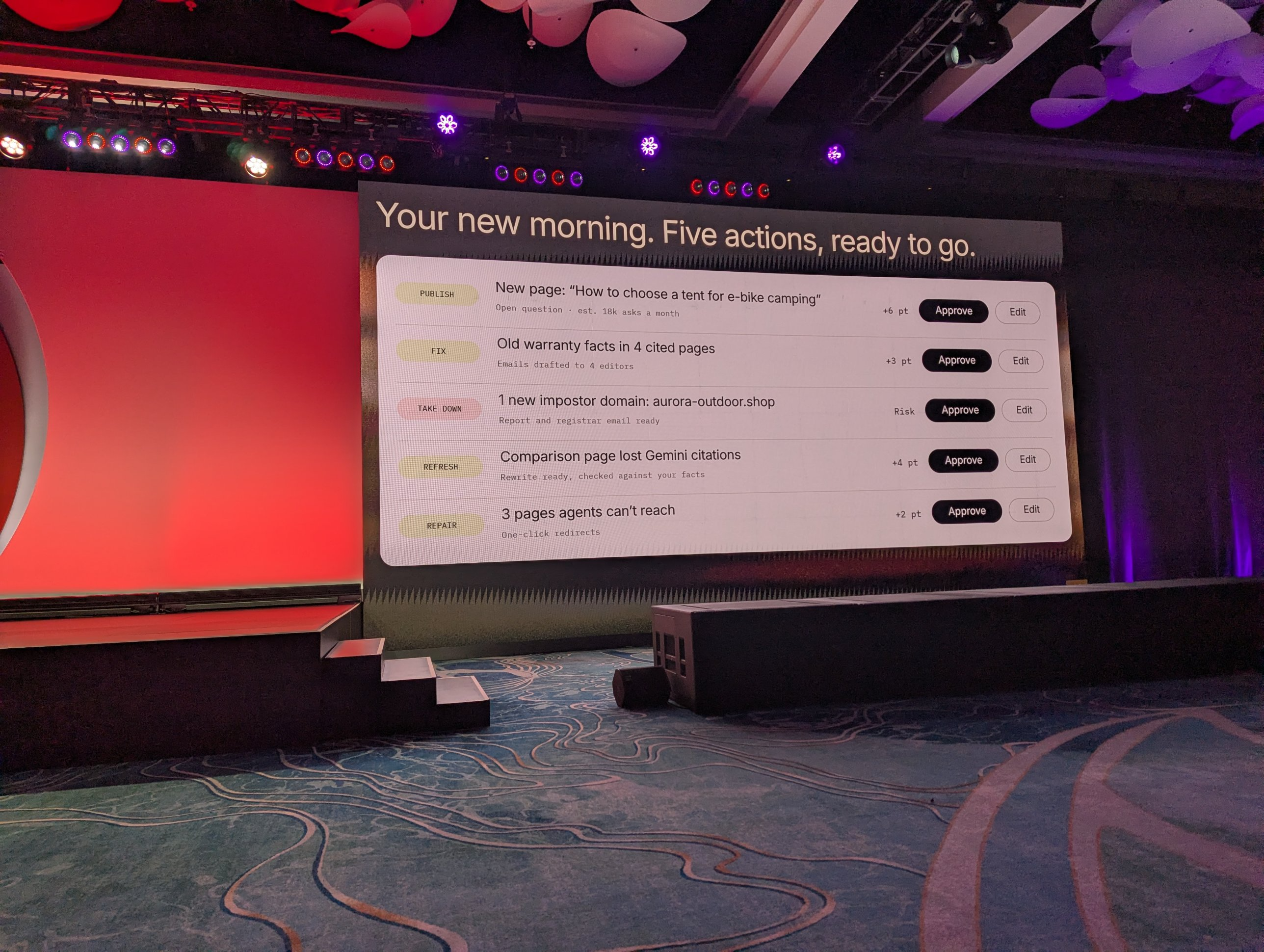
Observing is the easy part. What follows is hundreds of fixes across content, schema, structure, redirects and third-party presence, landing on marketing teams that are already at capacity. Chris made the point himself, with a mock-up of “your new morning”: five actions queued for approval, from a new page to publish to an impostor domain to take down.
Signals become owned work. A contradiction, a lost citation or an unreachable page turns into a task with the right owner and a draft fix ready for review.
Approvals happen where your team already works. Nobody needs to log into one more platform to keep the site agent-ready.
One source of truth feeds both audiences. The same approved content drives what people see in the browser and what agents get in the lean version, grounded in your brand voice in SitecoreAI.
For teams still on Sitecore XP, the agentic web is one more reason to move. TIDAL, our SitecoreAI migration accelerator, uses AI-assisted component modernization and agentic migration via MCP to get you onto the platform where Scrunch, Marketing IQ and these new agent capabilities live.
Five moves to make this quarter
Audit what you block. Review robots.txt, WAF and bot rules page by page. Protect what you sell, and allowlist the pages that win decisions: products, pricing, events, locations and contact.
Serve agents a lean version. Give verified agents structured, text-first pages while people keep the full experience.
Publish the details agents check for. Coverage, pricing, compliance, who you serve best and what makes you different. The wealth managers Chris missed had the credentials and never wrote them down.
Clean up contradictions. Find every page that states the same fact two different ways and fix it at the source in your CMS and DAM.
Look beyond your own domain. With 70 to 80% of citations coming from third parties, map the sites that shape answers in your category and watch for impostors using your name.
Build for both audiences with Fishtank
Chris closed his keynote with a line we have been repeating all week: the agent did its best, and now it’s our turn.
Fishtank is a Sitecore Platinum Partner and a Verndale company. Our strategists and engineers help teams migrate to SitecoreAI, make their sites readable and trustworthy to AI agents, and put FishtankOS to work so the fixes actually ship.
Book a 30-minute working session. We will look at how agents see your site today, what you are blocking without meaning to, and the first three fixes worth making. Book your session here.